Where to Stay in Gujo Hachiman
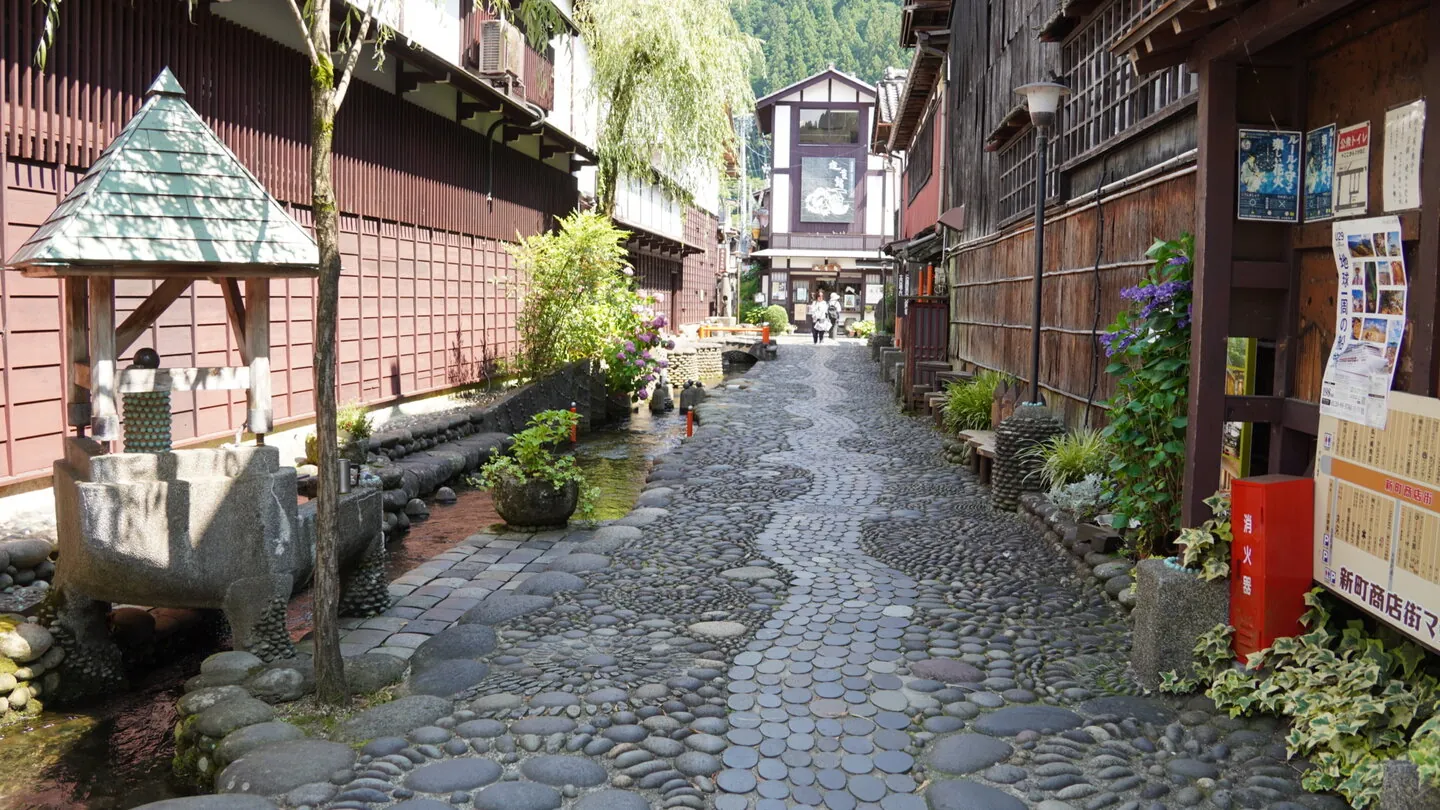
Same method as our restaurant guide: 4.3+ rating, 50+ reviews as the main filter, with a couple of smaller, genuinely distinctive places noted separately since strong reviews on a small sample are still worth knowing about — we just flag the smaller sample size honestly.
Traditional ryokan, in town
Miharaya Ryokan — River-view rooms, very traditional. Worth knowing upfront: the bath and toilet are shared/communal here, which some travelers love for the authenticity and others find genuinely uncomfortable if they’re not used to it. If you want a private bath, look elsewhere on this list. If a private bath is a dealbreaker for you, I’d book Nakashimaya instead and not gamble on it — the communal setup here is genuinely lovely if you’re comfortable with it, but it’s not something to discover you mind on your one night in town.
Bizenya — Central, right by the bus terminal, with an onsen bath and a garden that makes it feel removed from town despite the location. It also offers solid vegetarian breakfast options, which is harder to find than you’d expect at a traditional ryokan. One real data point worth knowing: during the Gujo Odori festival, this town books out completely — a stranded traveler only got a room here because the tourist information center personally called around on their behalf. Book ahead for festival season; don’t assume you can wing it.
Nakashimaya — Has private onsen baths available (a real plus if Miharaya’s communal setup isn’t for you), and offers a Western-style breakfast option alongside the traditional one. Consistently described as warm and welcoming.
If you want more hotel-like amenities
Yoshidaya — Walking distance to most restaurants and sights. Worth being upfront about: English-speaking staff aren’t guaranteed to be on shift — one reviewer specifically noted the one English-speaking staff member happened to be away during their stay, though everyone still made an effort despite the language gap.
Budget guesthouses
Machiyado — Small sample size (a little over 20 reviews) but a strong, consistent reputation: central, clean, dorm beds and private rooms both available, run by a genuinely helpful owner. One review even doubles as solid transit advice, confirming the same IC-to-taxi route pattern we cover in our access guide.
Tatemachi no Ie — Also a smaller sample, geared toward backpackers and couples on a budget, with a shared kitchen. Good option if Machiyado is full.
The town’s biggest, most well-known option
Sekisuien — This is Gujo Hachiman’s largest ryokan and the one most likely to come up first if you search around, so it deserves a section of its own even though its rating (4.0, 354 reviews) sits below our usual cutoff — size and recognition aren’t the same thing as our usual filter, but they’re genuinely relevant information for picking a place to stay.
What it does well: reviewers consistently praise the food (both breakfast and dinner are typically included), and more than one mentions the staff making a real effort with English — including arranging a shuttle pickup from Jokamachi Plaza and helping confused travelers figure out onward transportation. If you want a more hands-held, full-service stay, this is probably the easiest option in town for that.
Honest take: it sits right next to the castle, which sounds convenient but means a genuinely steep uphill walk (around 15 minutes) from the rest of town — fine if you don’t mind it, a real consideration if you don’t want a climb at the end of a long day. It also doesn’t have an onsen bath, which surprises some visitors expecting one at a ryokan of this size and price point. A few rooms do have private outdoor baths, so if a bath matters to you, I’d confirm what your specific room includes before booking rather than assume.
For a special occasion
Kinori — A renovated old geisha house turned boutique stay, architecturally striking, central. Reviews are very small in number but consistently glowing. This is the splurge option on this list, not the budget one.
Which of these are actually close to the castle?
Only one place on this list sits right next to Gujo Hachiman Castle itself: Sekisuien. Even then, “next to the castle” means a genuinely steep uphill walk (around 15 minutes) from the rest of town, not a stroll — see the honest take above before assuming “closest to the castle” is automatically the right pick. It also doesn’t have an onsen bath, though a few rooms have private outdoor baths.
Everywhere else on this list — Miharaya, Bizenya, Nakashimaya, Yoshidaya, Machiyado, Tatemachi no Ie, Kinori — is down in the old town at the base of the castle hill, walking distance from each other and from the town’s restaurants and streets. Staying at any of them still means climbing up to the castle as a trip out from town, rather than starting at the top of that climb the way Sekisuien does. If proximity to the castle building specifically matters more to you than being central to the old town itself, Sekisuien is the one option that puts you there already; everyone else means doing that walk separately.
Honest things to know before booking
Warning: Gujo Odori festival season (mid-July through early September, with the all-night dancing August 13–16) sells out the whole town — book well in advance if your trip overlaps with it. This isn’t cautious boilerplate: travelers have been left calling around with no room at all.
- Communal bathing is the norm, not the exception, at traditional ryokan here. If a private bath matters to you, check specifically — don’t assume, since several well-reviewed places (including some on this list) only offer shared facilities.
- Outside festival season, booking is more flexible than you’d expect. Last-minute (2–3 days out) bookings are often genuinely possible for weekday stays. Weekends tighten things up regardless of season, so the safest approach is simply: book weekends earlier, and don’t stress too much about weekday availability outside July–September.
- “English-friendly” doesn’t always mean an English speaker is on duty during your specific stay. Staff schedules rotate. If you genuinely need English support, it’s worth emailing ahead to ask directly rather than assuming.
- Dinner plans matter more here than in a big city. Several ryokan reviews mention there simply aren’t many restaurants open late — if your stay doesn’t include dinner, check what’s actually open before you commit to a no-meals booking.
Local tip: ayu (sweetfish) fishing season quietly tightens room availability too. The Nagara River is a well-known ayu destination, and around the season’s opening day and any fishing competitions in town, rooms go faster than the tourist calendar would suggest. If your dates coincide, book earlier than you otherwise would.
Frequently asked questions
Is there a hotel or ryokan right next to Gujo Hachiman Castle?
Yes — Sekisuien, the town’s largest ryokan, sits right next to the castle. That said, it means a genuinely steep uphill walk (around 15 minutes) from the rest of town, and it doesn’t have an onsen bath (though a few rooms have private outdoor baths). Every other option on this list is down in the old town at the base of the castle hill instead.
Do I need to book ahead for the Gujo Odori festival?
Yes, well in advance. Gujo Odori festival season (mid-July through early September, with all-night dancing August 13–16) sells out the whole town — this isn’t cautious boilerplate, travelers have genuinely been left calling around with no room at all.
Are private baths available, or is communal bathing the norm?
Communal bathing is the norm, not the exception, at traditional ryokan here — including some well-reviewed places on this list. If a private bath matters to you, check specifically rather than assume: Nakashimaya has private onsen baths, and Sekisuien has a few rooms with private outdoor baths, but Miharaya’s bath and toilet are shared/communal.
How last-minute can I book outside festival season?
More flexible than you’d expect. Last-minute (2–3 days out) bookings are often genuinely possible for weekday stays. Weekends tighten up regardless of season, so book weekends earlier and don’t stress too much about weekday availability outside July–September.
Looking for a campsite instead?
Worth mentioning: a fair number of travelers passing through this area are specifically looking for camping rather than a ryokan stay — it comes up often enough to be worth a dedicated guide. We’re planning a separate campsite guide for the wider Gujo/Takasu area; check back, or see our practical info guide in the meantime for general orientation.
Last verified: July 2026, based on current Google Maps ratings and recent review content. Availability, pricing, and which staff happen to be on shift all change — if you find something here is out of date, we’d rather know than leave it wrong.
This completes our core guide to Gujo Hachiman’s old town — paired with our walking guide and restaurant picks, you should have enough to plan the town side of your trip. Heading to the ski areas too? See our Takasu & Dynaland access guide.