Things to Do in Gujo Hachiman: A Local’s Walking Route
Gujo Hachiman is genuinely small enough to see most of in half a day on foot — but “small” doesn’t mean “boring.” Here’s how to actually spend that time, plus a few things most quick visitors miss.
Start at the Tourist Information Centre (and grab the free map)
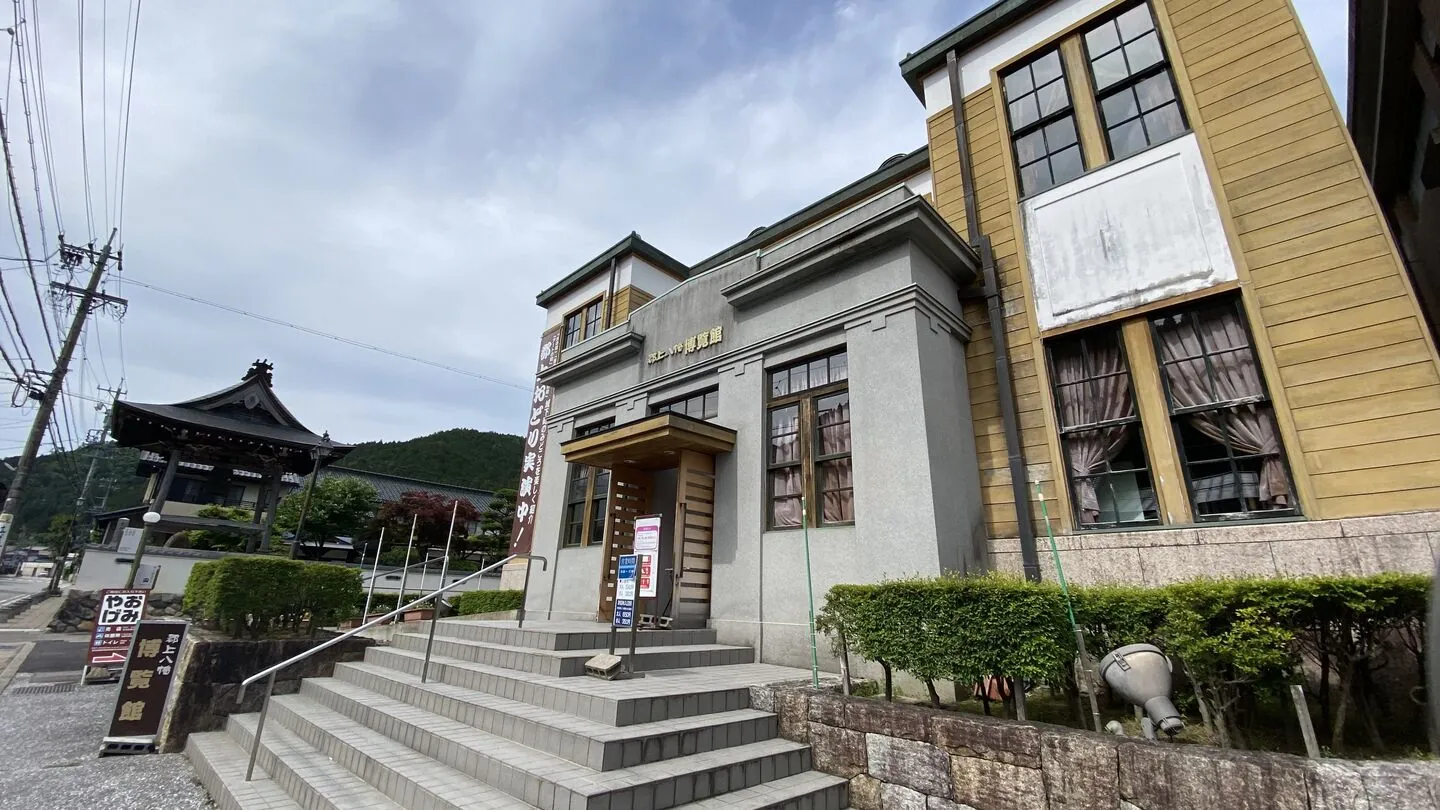
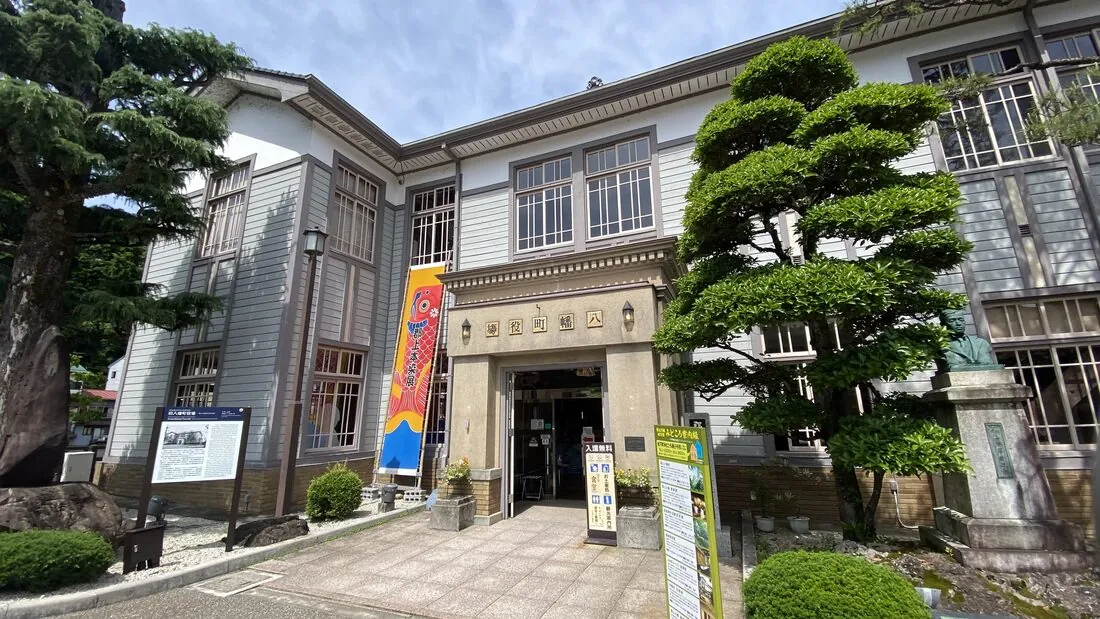
Before you start walking, stop at the Gujo Hachiman Kinenkan, a Showa-era building that doubles as the tourist association office. It’s free to enter, has a small café, and — this is the part most visitors don’t know about — hands out free self-guided walking tour maps with detailed turn-by-turn directions. We’re intentionally not writing a turn-by-turn route ourselves here, because the official map is more reliable and gets updated when streets or shops change. Pick one up and use it alongside the highlights below.
The historic streets: Kajiya-machi & Shokunin-machi
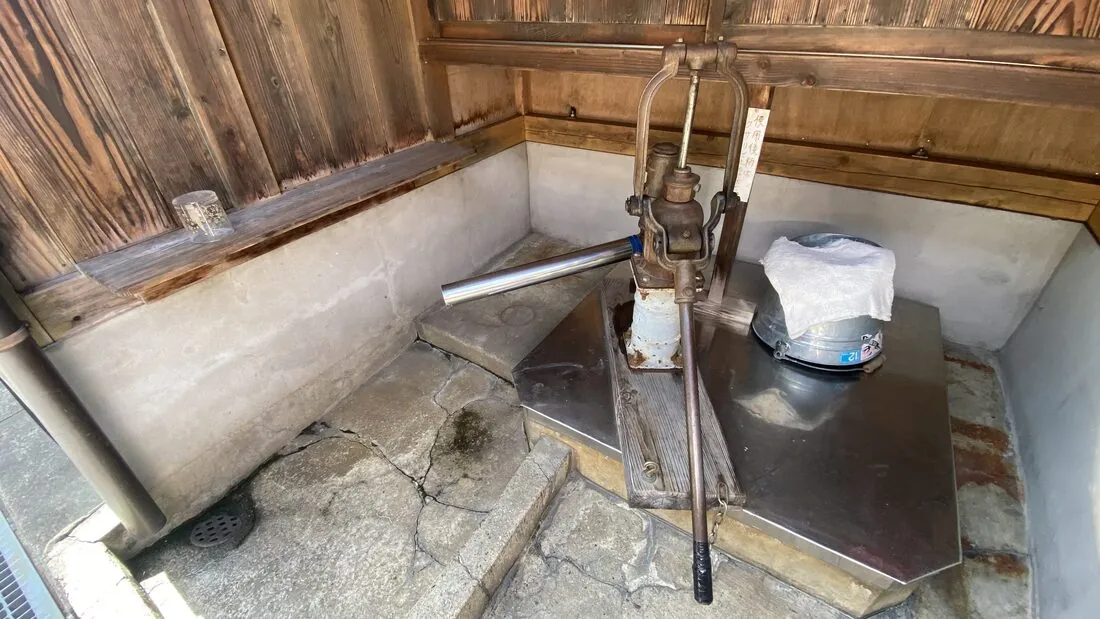
This is the part of town built for craftsmen — blacksmiths, coopers, carpenters — with workshops on the ground floor and living space above. The water channels running alongside the streets were built in 1660 after a major fire, and they’re still in everyday use, not just decoration.
Honest take: these streets are genuinely atmospheric, but they’re also residential. People live and work here. Walk through, take photos of the streets, but be mindful around private entrances — this isn’t a museum set built for visitors.
Sogisui — the water that locals are proud of
Sogisui itself is a specific named spring — the first site ever selected for Japan’s official “100 Famous Waters” list. It’s one part of a town that’s unusually organized around water: separately from the spring, working canals run through the old town, with waterside lanes like Igawa Komichi and Yanaka Mizu no Komichi built along them. People still wash vegetables and rice in these channels daily. It’s one of the few “tourist attractions” in Japan that’s actually a functioning piece of daily infrastructure. Watch respectfully, and don’t treat it purely as a photo backdrop — it’s someone’s kitchen sink, essentially.
Gujo Hachiman Castle
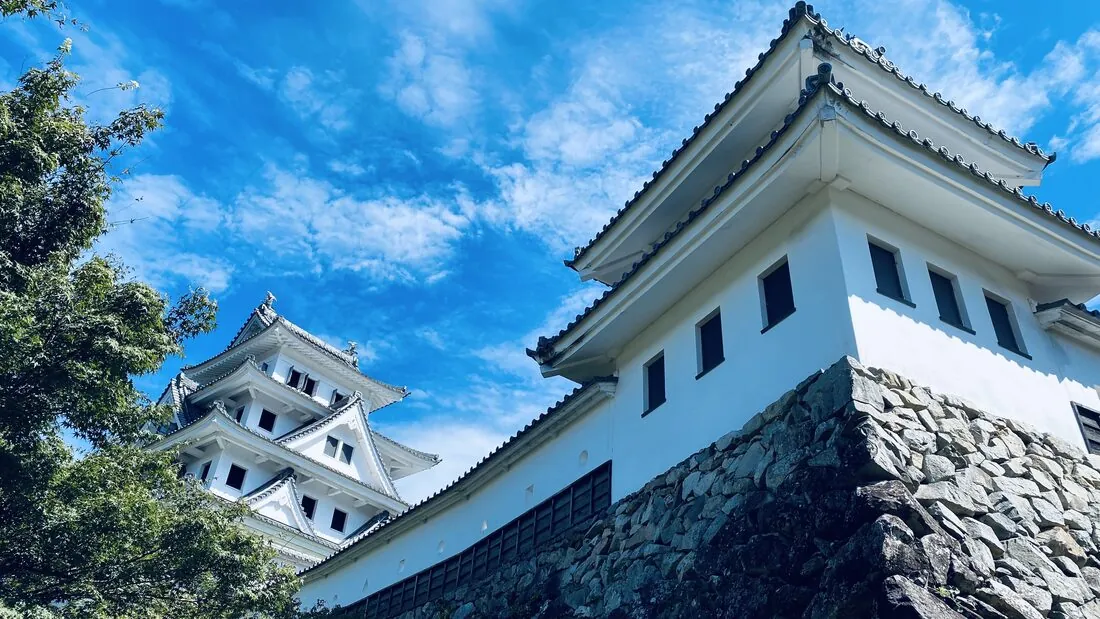
About a 20-minute walk uphill from the town center, this is one of Japan’s older wooden castle reconstructions (rebuilt in 1933, after the original 1559 castle was dismantled in the 1870s like most others) — in fact, among castles reconstructed after the Meiji Restoration, it’s the oldest wooden reconstruction in the country. The climb is worth it for the view over the valley, and it’s especially good in autumn when the surrounding maples turn color. Admission is ¥400 for adults, ¥200 for children.
I still make this climb regularly, and it’s the one uphill walk in town I tell people not to skip if they only have energy for one — the view from the keep over the valley is worth the twenty minutes on its own.
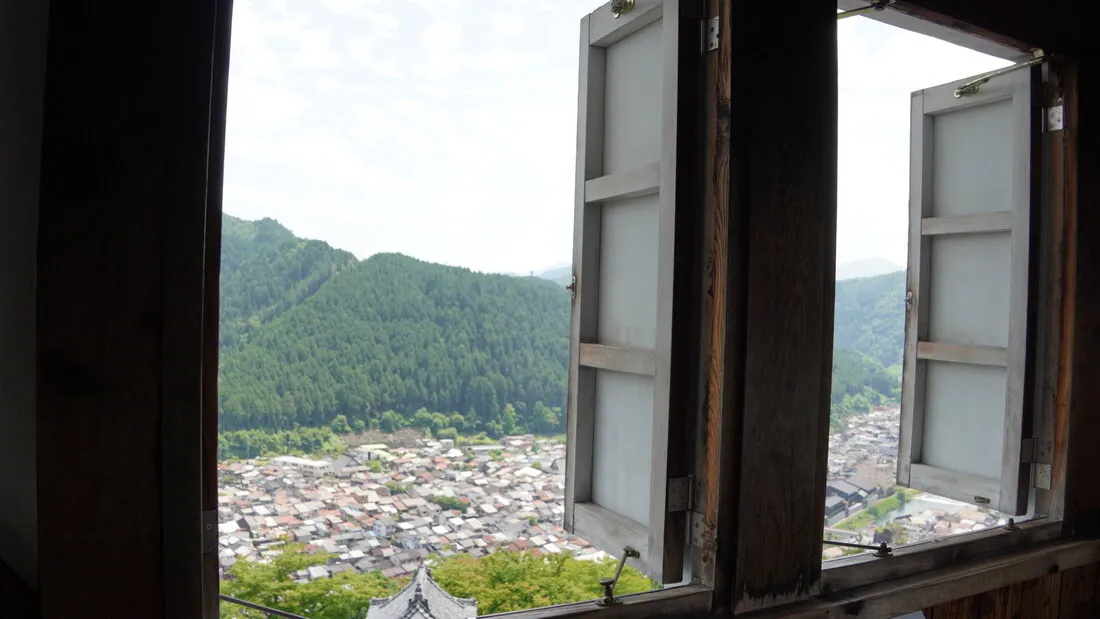
This might not be for you if: you have mobility concerns — it’s a genuine uphill walk, not a flat stroll, and we don’t have confirmation of an easy alternative route. If that’s a concern, ask at the Kinenkan before you commit to the climb.
Hakurankan — the town’s history museum
Not to be confused with the Kinenkan (the tourist information building) — Hakurankan is a separate, dedicated history museum, and it’s worth setting aside real time for. It covers the history of Gujo’s craftspeople and the town itself, and — this is the highlight — runs live Gujo Odori dance performances on the hour, every hour. If your trip doesn’t line up with the actual festival dates (July 11–early September), this is genuinely the next best way to see the dance. There’s also a gift shop, and it’s popular enough with group tours that you’ll likely see other international visitors here.
Admission: ¥540 adults, ¥320 children (elementary/junior high), free for preschoolers.
Local tip: get the combined castle + Hakurankan ticket (¥750 adults, ¥400 children) if you’re doing both on the same day — it’s cheaper than the two admissions separately, and both are on the same natural walking route.
Sample Village Iwasaki — Japan’s fake food capital
A large share of the plastic food displays you see outside restaurants across Japan are made right here in Gujo Hachiman. Sample Village Iwasaki runs hands-on workshops where you make your own wax food sample to take home. The most popular course is the tempura & lettuce set — you choose your tempura piece (eggplant, pumpkin, lotus root, green pepper, shiitake, sweet potato, or shrimp) and make a lettuce sample alongside it: ¥2,000 for the 3-piece tempura + lettuce set, ¥1,600 for a smaller 1-piece version. Prices include tax.
Warning: reservations are genuinely advised, not just a suggestion — this is a popular activity and walk-ins can be turned away on busy days. Group bookings (15+) require a phone reservation rather than the online system.
Jion-ji Temple
A small, quiet temple with a genuinely beautiful garden — and one detail most visitors miss entirely: listen for the “suikinkutsu,” a hidden underground chamber that turns dripping water into a soft, bell-like sound. It’s easy to walk right past without noticing. Worth visiting in any season, not just autumn.
What this walk doesn’t cover
This route is about the old town itself. If skiing or the mountains are also on your list, that’s a separate trip — see our guide to Takasu Snow Park & Dynaland. Plenty of visitors do both within the same few days, just not on the same afternoon.
Last verified: July 2026. Opening hours and admission fees for the castle, Hakurankan, and Sample Village Iwasaki should be confirmed close to your visit date, as these can change seasonally.