Every Ski Resort in Gujo, Japan: A Quick, Honest Comparison
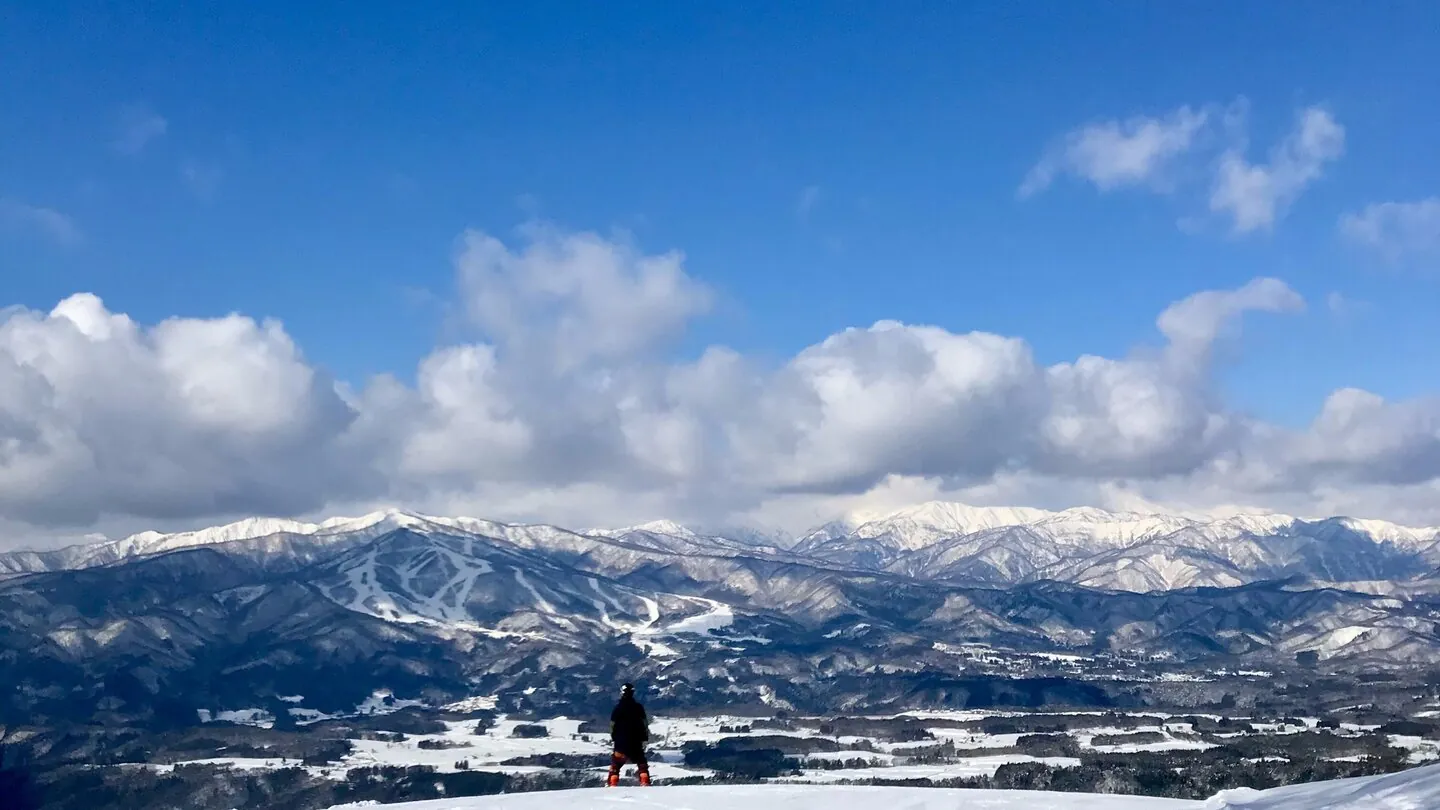
Most people who search for “skiing near Nagoya” end up at one or two big-name resorts without realizing they’re all in the same small city. Gujo — the same city as the castle town of Gujo Hachiman — quietly has one of the largest concentrations of ski areas in western Japan: the city’s tourism federation promotes ten, and nine of them ran lifts in the 2025–26 season. They’re clustered along one expressway corridor about 1.5 hours by car from Nagoya and roughly an hour from Takayama, which is exactly why the parking lots fill with Nagoya license plates every weekend.
This page is the short version: what each resort is, who it suits, and how to pick. Where we have a detailed guide, it’s linked. This article is written for the 2026–27 season; resorts announce exact opening dates around October–November, so treat any date here as provisional until then.
A note on the count: “ten ski resorts” is the official line, but one of them — the tiny Outdoor In Motai hill — has announced on its own website that ski operations are suspended (most recently for 2025–26, citing a run of poor snow years), so the realistic count is nine. We’ve listed it with that caveat rather than quietly rounding the number up or down, and we’ll re-verify the full list before the season starts. One more thing: some older English articles still list Shirao Ski Area in Shirotori — it closed permanently in 2018 and is now a campsite, so treat any list that includes it as out of date.
Comparison table
| Resort | Area | Best for | Rough scale | Night skiing | Car access |
|---|---|---|---|---|---|
| Takasu Snow Park | Takasu | Long runs, terrain park, snowboarders | ~12 runs, longest ~4.9 km | No (early-morning “sunrise” openings instead) | Mountain road climb from Takasu IC |
| Dynaland | Takasu | Variety, night skiing, sharing a ticket with Takasu SP | ~17 runs | Yes — near-daily in season, until ~23:00 | Mountain road climb from Takasu IC |
| Washigatake | Takasu | Convenience — closest big resort to the expressway, on-site onsen | ~13 runs | Yes (separate ticket) | A few minutes from Takasu IC |
| White Pia Takasu | Takasu | Smaller neighbor of Washigatake, moguls | ~13 runs | Not confirmed — assume no | Short drive from Takasu IC |
| Hirugano Kogen | Takasu | Families with small kids, first-timers | ~8 gentle runs | No | ~5 min from Hirugano SA smart IC |
| Gujo Vacance Mura | Takasu | Absolute beginners, families avoiding crowds | 3 runs, 2 lifts | No | Short drive from Takasu/Hirugano ICs |
| Meiho | Meiho | Long cruising runs, its own valley | ~13 runs, longest ~5 km | No | ~30 min from Gujo Hachiman IC (no expressway for the last stretch) |
| Wing Hills Shiratori | Shirotori | Gondola access, on-site onsen, snowboarders | ~9 runs + gondola | Saturdays only in recent seasons (verify) | Drive up from Shirotori IC |
| Snow Wave Park Shiratori Kogen | Shirotori | Wide-open slopes, skier-leaning crowd, long sledding hill | ~10 runs | No | Drive up from Shirotori IC |
| Outdoor In Motai | Yamato | Not operating for 2026–27 — see below | 1 lift, a few short runs | — | Near Gujo Yamato IC |
Scale figures are from the Gujo Tourism Federation’s resort listings and each resort’s own material; they’re the resorts’ own numbers, not our measurements.
The Takasu cluster (six resorts on one mountain area)
Six resorts sit close together in the Takasu / Hirugano area, and they share a common lift-ticket scheme under the “Takasu Mountains” umbrella. In the 2025–26 season a shared ticket covered all six, and Takasu Snow Park and Dynaland were connected at the summit so you could ski both on one pass. Confirm the arrangement each season — the connection depends on snow cover, and ticket products change.
Takasu Snow Park
The biggest name in the area and one of the most-visited resorts in western Japan, with a long top-to-bottom run (about 4.9 km) and a serious terrain park scene. The crowd skews heavily toward snowboarders. If you want the “main event” of Gujo skiing, this is it — and so does everyone else, so weekends get genuinely busy.
Dynaland
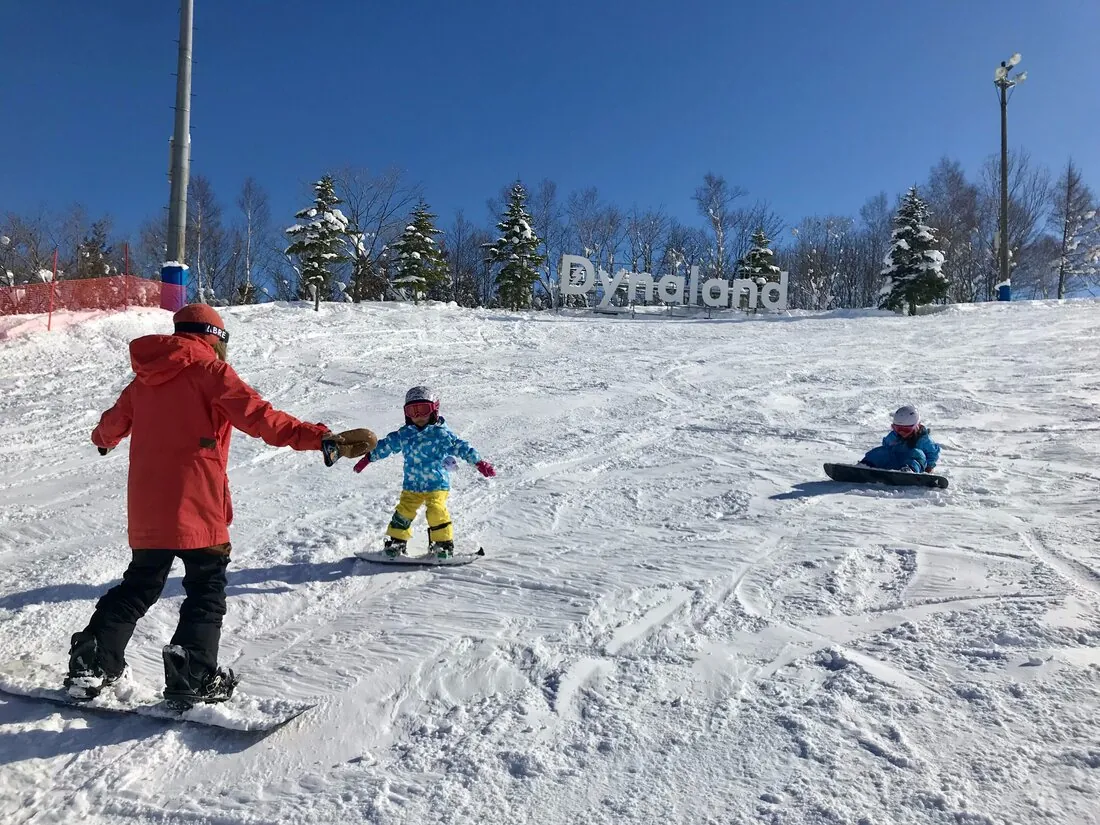
Next mountain over from Takasu Snow Park and connected to it at the top, with the largest course count in the area (around 17) and the biggest night-skiing operation in the region — in the 2025–26 season it ran night sessions almost every night for around 90 days, until roughly 23:00. Slightly more varied terrain than its neighbor, and the shared summit means most visitors treat the two as one big resort. Detailed access notes are in our no-car guide to Takasu and Dynaland.
Washigatake
The most convenient of the big resorts: it sits almost beside the Takasu IC exit, so you spend minutes, not half an hour, on snowy mountain roads. Mid-sized with about 13 runs, night skiing on a separate ticket, and an onsen right at the resort, which makes the end of the day pleasantly simple. A sensible pick if you’re nervous about winter driving. If someone asked me where to send a first-timer worried about the whole bundle — renting gear, unfamiliar roads, a language they don’t speak — I’d point them here over Takasu Snow Park. The extra few minutes of driving buys you a genuinely easier day, and there’s plenty of terrain for a first visit.
White Pia Takasu
Directly next to Washigatake and historically available on a combined ticket with it. Similar scale (about 13 courses), with mogul courses that attract a more ski-focused crowd. It’s less famous than its neighbors — but don’t count on weekend quiet anywhere in Gujo; the honest fix is a weekday, here as everywhere.
Hirugano Kogen
A gentle, family-first resort about five minutes from the Hirugano smart IC — wide easy slopes, kids’ snow areas, and almost nothing steep. If your group includes small children or true first-timers, start here rather than at Takasu Snow Park. Confident intermediates will run out of terrain by lunchtime, and that’s fine; it’s not who this place is for.
Gujo Vacance Mura
A tiny three-run hill attached to a hotel, with two lifts and a strong “learn to ski without an audience” atmosphere. It ran a short season in 2025–26 (roughly late December to mid-March). Worth knowing about mainly as the cheapest, calmest option for a child’s first day on snow.
Meiho (its own valley)
Meiho Ski Resort
The second-biggest resort in Gujo, and the only large one outside the Takasu cluster — it sits up a separate valley about 30 minutes from the Gujo Hachiman IC, with no expressway for the final stretch. Its signature is a roughly 5 km top-to-bottom cruising run.
Honest take: we used to describe Meiho here as a “quieter alternative to Takasu” simply because it’s a separate valley off the main corridor. That framing doesn’t hold up. On winter weekends, Meiho gets genuinely busy too — same as Takasu, Dynaland, Washigatake, and Hirugano Kogen. Being in a different valley doesn’t exempt it from the Nagoya day-trip wave. The actual fix, here as everywhere else in Gujo, is timing: ski on a weekday and every resort in the area — Meiho included — is a different, much calmer experience. We’re planning a dedicated guide to Meiho, but it’ll be built around that honest premise rather than a “hidden quiet resort” pitch.
The Shirotori pair
Wing Hills Shiratori Resort
The most “resort-shaped” of the Shirotori areas: a gondola to the summit, an on-site onsen (Manten-no-yu), and a strongly snowboarder-leaning crowd. Snowmaking gets it open by late November and it runs into early April — the longest season in Gujo — with night sessions that have recently been Saturday-only (verify each season). A good pick if you want lifts-plus-onsen-plus-dinner in one place away from the Takasu cluster — though weekends are busy here too.
Snow Wave Park Shiratori Kogen
Wide, fan-shaped slopes with a higher proportion of skiers than most Gujo resorts, plus an unusually long dedicated sledding course (about 2 km) that kids tend to remember more than the skiing. It operated a full season in 2025–26 (early December to the end of March). Less flashy than Wing Hills next door; some regulars prefer it for exactly that reason.
Yamato: the question mark
Outdoor In Motai
A one-lift community hill attached to a campsite and onsen in the Yamato area, aimed squarely at first-timers and small children. Its own website announced that ski operations were closed for the 2024–25 season after a run of warm, low-snow winters, and the operators confirmed the suspension continued through 2025–26 (only group winter camping was being accepted). Confirmed: there is no reopening for 2026–27 either — so while the tourism federation still lists it, treat this one as closed for skiing, not just “unconfirmed.” If a first-ski-day hill is what you want, Gujo Vacance Mura or Hirugano Kogen are the safe bets.
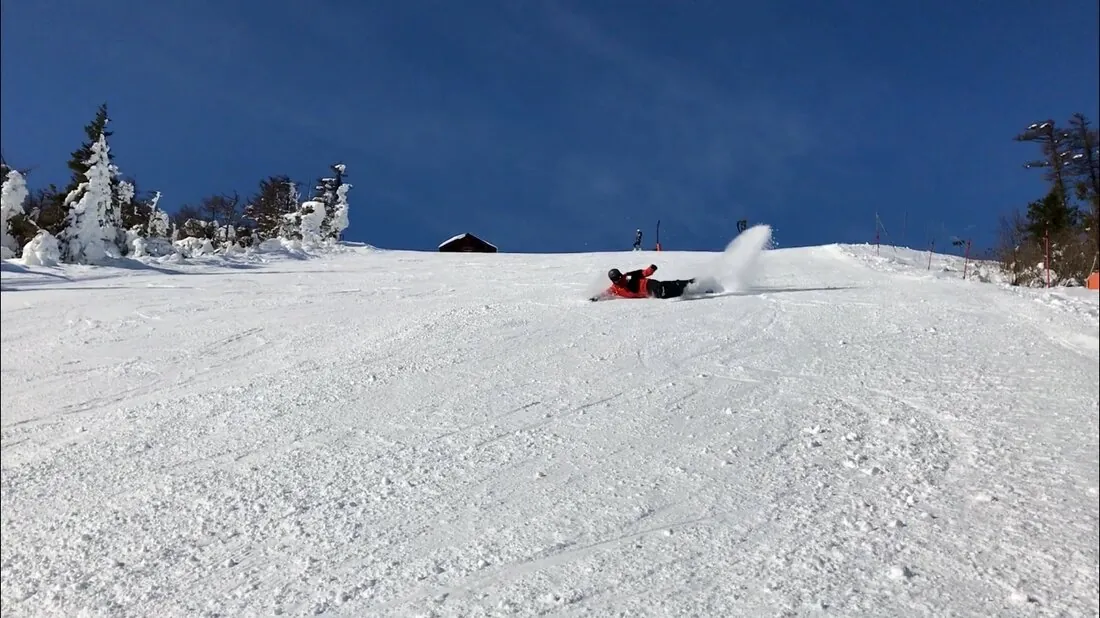
Honest take: Gujo is not Niseko, and it doesn’t pretend to be. Peak elevations here are roughly 1,000–1,600 m, so the snow is wetter and less consistent than Hokkaido or the high Nagano resorts — early and late season can be thin, and warm spells hurt. And the same access that makes Gujo convenient makes it crowded: on January–February weekends the day-trip wave from Nagoya means real lift lines and full parking lots at the big Takasu resorts. If you can ski on a weekday, do; the difference is dramatic. What Gujo genuinely offers is scale, variety, and value within day-trip range of Nagoya — not deep-powder pilgrimage terrain.
This might not be for you if…
- You’re chasing deep, dry powder. Storms do deliver good days here, but if untracked powder is the whole point of your trip, Hokkaido, Hakuba, or Myoko will make you happier.
- You want a walkable international ski village. These are day-trip mountains with lodges and parking lots, not resort towns. Nightlife means an onsen and dinner.
- You expect full English support. Signage and staff English vary by resort and are generally limited. Rental and ticket counters work fine with a translation app, but don’t expect English-speaking ski schools everywhere — check ahead if lessons matter to you.
- You don’t have a car and want maximum flexibility. Doable, but with constraints — see below.
Getting here
By car — the way most visitors come, and honestly the way this cluster works best. From Nagoya, take the Tokai-Hokuriku Expressway north: roughly 1.5 hours to the Takasu-area resorts, with each resort a short (or in Hirugano’s case, tiny) drive from its own interchange. From Takayama it’s about an hour heading south on the same expressway, which makes a Takayama-plus-skiing itinerary entirely realistic. Two things are non-negotiable in January–February: winter tires or chains (book rental cars with winter tires already fitted — mountain roads here get genuinely icy), and a buffer for weekend traffic, because everyone else from Nagoya had the same idea.
Without a car — possible for the big Takasu resorts via winter bus tours from Nagoya, but it takes planning and locks you into fixed times. The full details, including the honest downsides, are in our guide to getting to Takasu Snow Park and Dynaland without a car. The smaller resorts (Vacance Mura, Motai, the Shirotori pair) are realistically car-only for most visitors. Shuttle and bus schedules for 2026–27 will be published around November; we’ll update then.
Quick practical checklist
- Bring cash. Card acceptance is improving at the big resorts but is not universal — lockers, small food counters, and almost everything in the old town lean cash. IC transit cards are not standard payment up here.
- Winter tires, explicitly. Don’t assume a standard rental car is winter-ready. Ask for winter tires when booking.
- Expect signal gaps on the mountain. Base areas have coverage on all major carriers, but chairlifts and valley-shaped runs can genuinely drop to no signal — normal here, not an outage. More in our connectivity guide.
- Watch the similar names. “Takasu Snow Park” (one resort), “Takasu Mountains” (the six-resort brand), and “Takasu IC” (an expressway exit) are three different things — set your navigation to the resort’s full name. Spellings of Shiratori/Shirotori also vary between signs and websites; they’re the same place.
- Check conditions the morning you go if your plan depends on the Takasu SP–Dynaland summit connection or the inter-resort shuttle — both can close in lean snow.
- Traveling in November, December, or late March? Confirm the specific resort is actually open. Season edges shift with the snow every single year.
Make it more than a ski trip
The resorts are the northern half of the story. The southern half is Gujo Hachiman, the castle town the city is named for — old streets, waterways, and a castle that’s the oldest wooden reconstruction of any Japanese castle rebuilt after the Meiji Restoration, about 30–40 minutes back down the expressway toward Nagoya. If you’re driving up from Nagoya anyway, pairing a ski day with an evening or morning in the old town is the version of this trip most visitors never think to take. Start with our walking guide to Gujo Hachiman — and read what first-time visitors to rural Gujo should know before you go, because the town runs on cash and Japanese even more than the ski resorts do.
Last verified: July 2026, ahead of the 2026–27 season. Resort lineups, season dates, shared-ticket terms, and shuttle schedules are announced each autumn — we’ll re-verify everything above around November before the season starts.